Wooden skids (also known as skid pallets or wooden pallet skids) have been around for a long time, and there’s a reason many industrial companies still rely on them today. They’re simple, durable, and built to handle heavy products without adding unnecessary complexity.
What Are Wooden Skids?
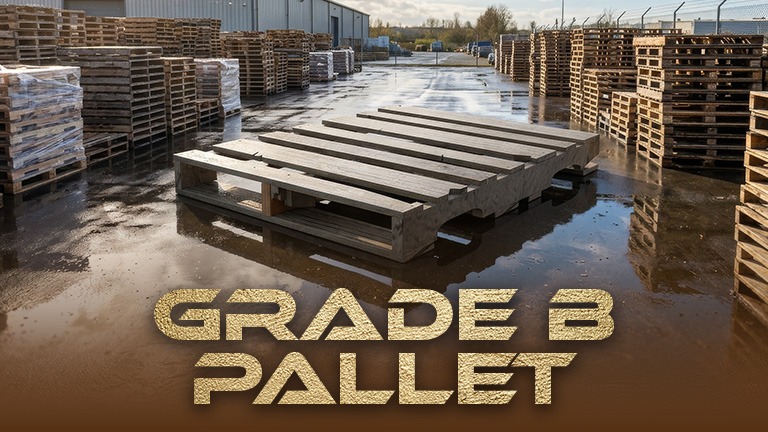
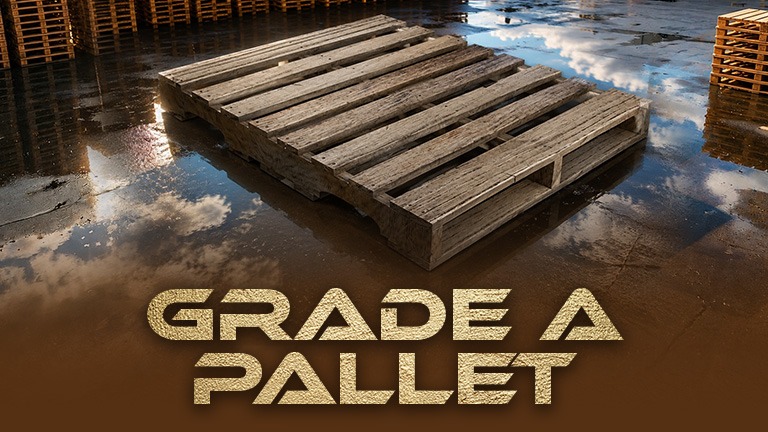
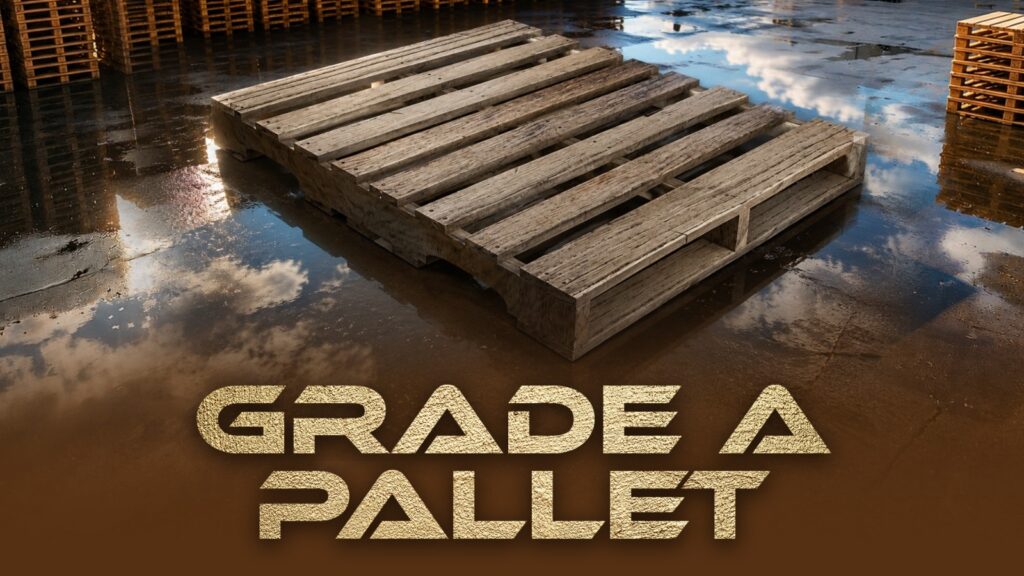
Unlike a standard pallet, wooden skids do not include bottom deck boards. This design makes skid pallets lower to the ground and provides stable support for heavy industrial loads. The top deck boards are attached directly to the stringers, creating a lower-profile platform that sits closer to the ground.
Common Industrial Applications
These skid pallets are commonly used for:
- Heavy machinery
- Industrial equipment
- Construction materials
- Steel products
- Large containers
- Temporary work platforms
Why Businesses Still Choose This Design
Many businesses across Coquitlam and other industrial areas throughout British Columbia continue using skids because they provide dependable support for oversized and heavy loads.
Skids are commonly used when stacking is not the main priority. Instead, the focus is usually on strength, stability, and secure transportation.
Because they sit lower to the ground, skids can help improve stability for certain machinery and equipment loads. They are also practical for products that need to stay stationary for long periods during storage or maintenance work.
Benefits of Heavy-Duty Skid Pallets
Another reason businesses choose skids is their durability in demanding industrial environments. Heavy products place a lot of stress on traditional pallets, especially during forklift movement and transport. Skids are often preferred when products need stronger support underneath, although some businesses also consider block pallets for heavy-duty warehouse applications.
Some companies also use skids for export shipments involving large machinery or awkwardly shaped equipment that doesn’t fit properly on standard pallets.
Custom Options for Different Load Requirements
Depending on the application, skids can be built using different lumber types, dimensions, and custom pallet designs. Reinforced stringers and thicker deck boards can also be added for extra support when handling extremely heavy products.
Are Wooden Skids Right for Your Business?
While skids are simple in design, they continue to be one of the most reliable solutions for many industrial shipping and storage applications.
Get High-Quality Wooden Skids from GeoPallet Ltd
Looking for durable wooden skids built for heavy machinery, industrial equipment, or oversized loads in British Columbia? Contact GeoPallet Ltd for custom-built solutions.