Wood vs. Plastic Pallets: Which Is Better for Your Next Project?
Pallets are among the most versatile and affordable materials you can use in your home or workplace. You can turn them into a wooden coffee table, build a custom wall shelf, or even create a unique art installation. With so many choices and limited information available, it can be challenging to decide which pallet type suits your project best.
To help you out, we’ve compared wood and plastic pallets—their pros and cons, durability, manufacturing process, and long-term performance. You’ll also find creative ways to reuse these materials for practical and fun projects at home or work.
Wood Pallets: Natural, Durable, and Eco-Friendly
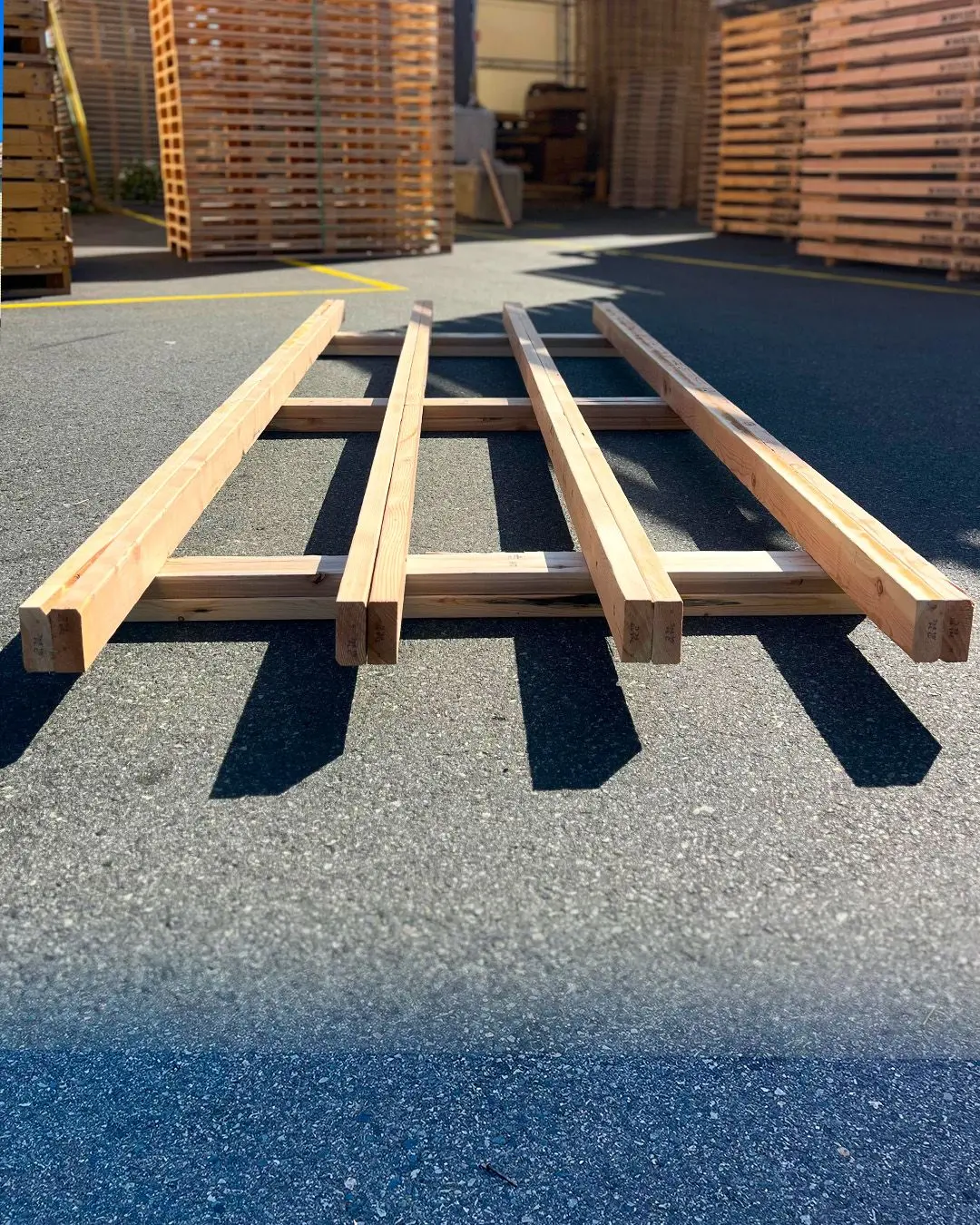
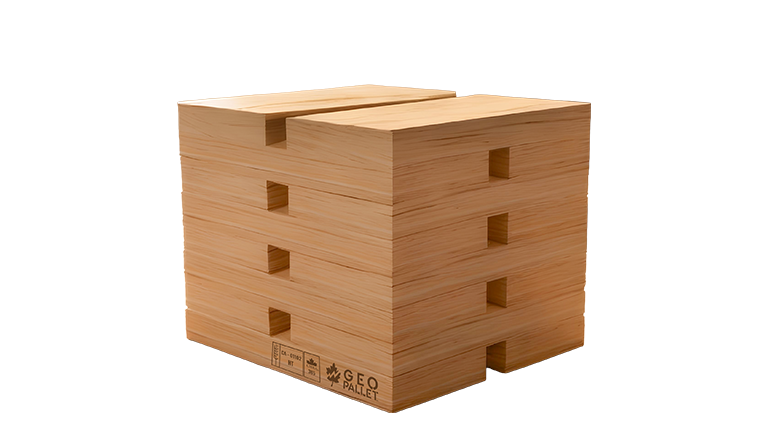
Wood pallets remain the most widely used type in logistics and design projects. Manufacturers build them from renewable materials, making them sustainable and recyclable. Because wood has been a core building material for centuries, it offers strength, stability, and long-lasting performance.
Many industries use wooden pallets for shipping food, chemicals, and pharmaceuticals that require controlled conditions during transport. These pallets often come from harvested wood chips or fibers, which makes them slightly more expensive than plastic alternatives.
Still, wood pallets offer several benefits:
-
They come from natural, renewable resources.
-
They can be repaired or recycled at the end of their lifespan.
-
Their strength and durability make them suitable for heavy goods.
-
They provide better load stability and resistance to rough handling.
While wood pallets are heavier than plastic ones, their eco-friendliness and resilience make them a favorite for sustainable and industrial applications.
Comparing Durability and Usability
When comparing both materials, the right choice depends on your specific project or business needs.
Wood pallets provide greater strength and stability for heavy items and can be repaired or reused over time. They’re ideal for projects requiring structural reliability or natural aesthetics.
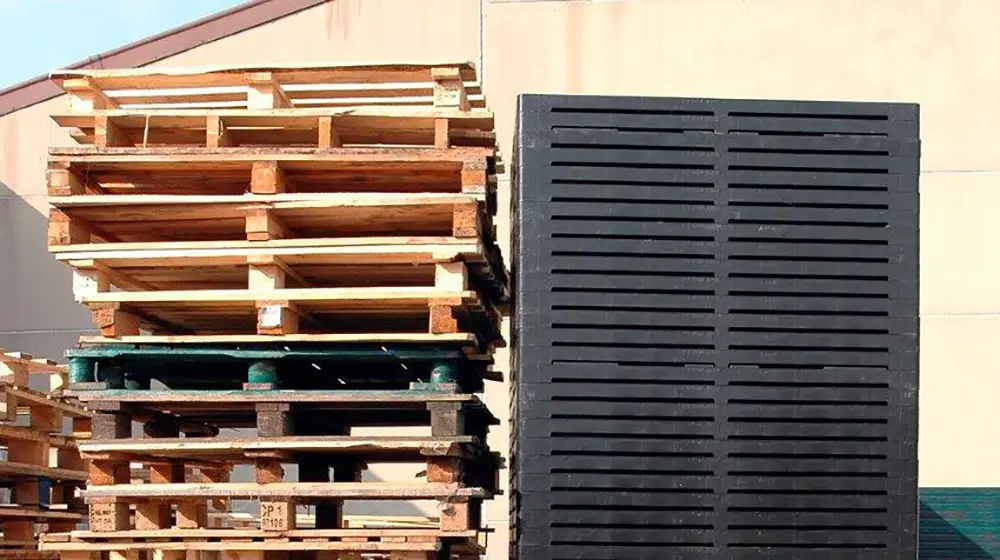
Plastic pallets, on the other hand, are light, clean, and convenient, especially when frequent washing and reusing are necessary. However, their higher cost and limited recyclability make them less practical for some users.
Because wood is heavier, handling it manually can require more effort, especially in small spaces or home projects where forklifts aren’t available. Plastic pallets are easier to move, but they may not withstand the same weight or wear.
There are many factors to consider when choosing a pallet. Your project needs, budget and location, will all play a role in determining which material works best for you. Contact us at +1 (604) 584-4368 today!