The Surprising Versatility of Wood Pallets: A Look at Common Wood Species
Wooden pallets play a key role in modern transportation and logistics, providing a strong and reliable base for shipping goods using forklifts, cranes, and front loaders. But their purpose goes far beyond shipping. These sturdy wooden platforms have become a favorite for DIY projects, transforming into stylish furniture, creative décor, and functional shelving units.
What makes wooden pallets even more fascinating is the variety of wood species used to build them. While many people assume all pallets are the same, each type of wood offers unique qualities that affect performance, strength, and durability. The two most common choices are Southern Yellow Pine (SYP) and oak, though other species are also used.
Let’s take a closer look at how these wood types shape the quality and versatility of wooden pallets.
Let’s dive into these wood species and discover how they influence the strength, weight, and overall performance of wooden pallets. Southern Yellow Pine (SYP) is a popular softwood choice for pallets, primarily due to its cost-effectiveness. Abundant in supply, SYP helps keep prices low, making it an attractive option for budget-conscious businesses.
Major advantage of SYP
One major advantage of SYP is that manufacturers can kiln-dry the wood, reducing its moisture content. This process creates cleaner pallets ideal for food and pharmaceutical industries, where hygiene is critical. By removing excess moisture, kiln-dried SYP pallets resist mold and bacteria growth, keeping products safe during transport.
Another benefit is its workability. Because SYP is softer than hardwoods, it’s easier to cut and shape — perfect for DIY pallet projects. While it’s not as strong as oak, SYP still provides reliable performance for light to medium loads, making it a practical choice for many applications.
Oak: Strong, Durable, and Ideal for Heavy Loads
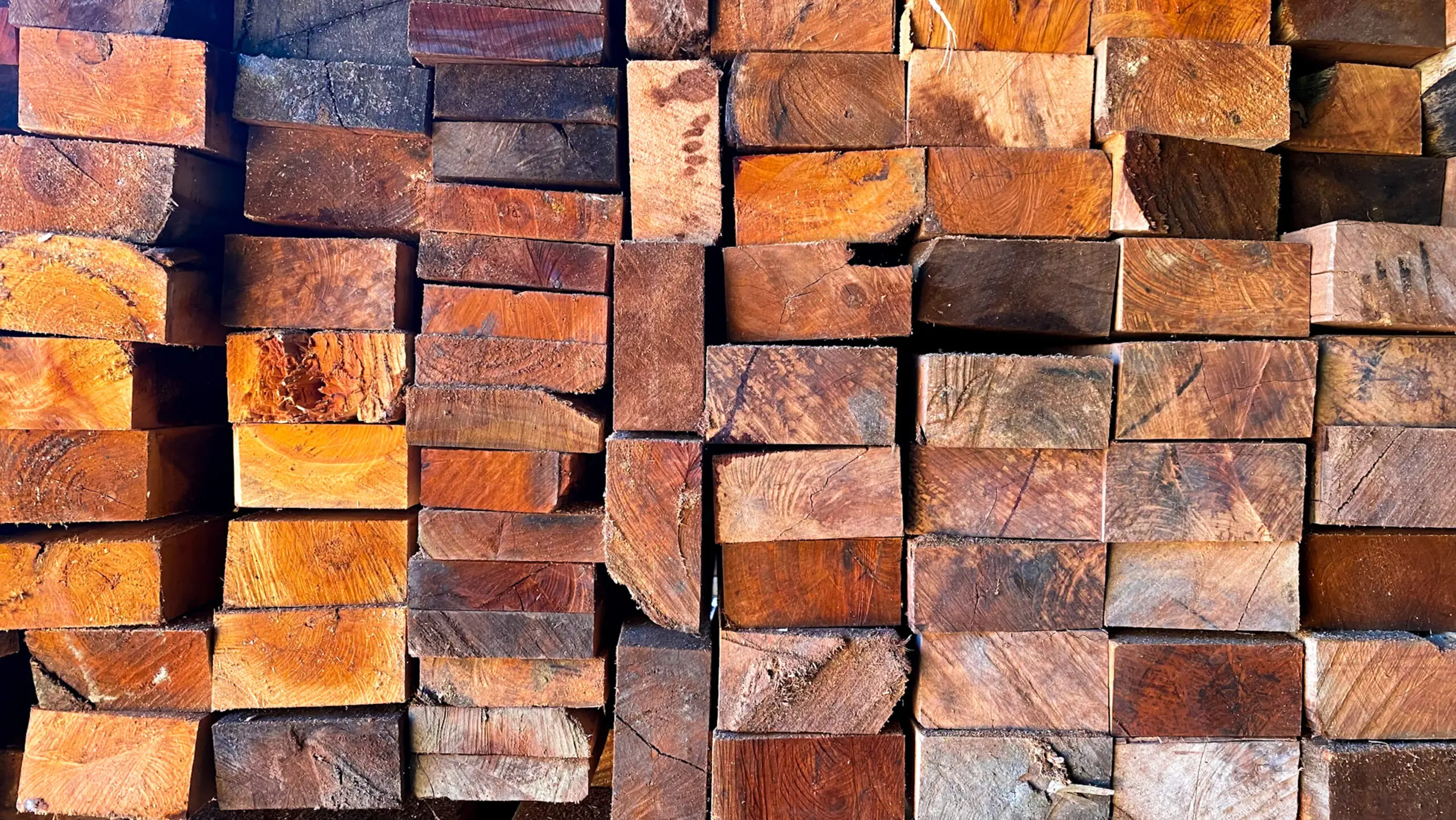
Oak is a high-density hardwood known for its exceptional strength and long lifespan. It’s the preferred choice for pallets that must carry heavy-duty or high-weight loads.
Manufacturers often create oak pallets using leftover lumber from furniture and construction projects, ensuring no wood goes to waste. This process makes oak pallets both strong and environmentally responsible.
However, oak’s density makes it more difficult to cut and handle. Sawing through oak requires more effort and may leave burn marks near knots. Despite this challenge, its toughness allows for pallets made with fewer boards while maintaining superior durability.
Over time, oak can develop a slightly fuzzy texture as its grain separates. This doesn’t weaken the structure but gives the surface a rustic look, which some even find appealing for reused or decorative pallet projects.
Comparing SYP and Oak
Both SYP and oak have their distinct advantages, and your choice between them will depend on your specific needs.
- SYP Pallets: Lightweight and affordable, these pallets are easier to handle and are well-suited for industries that don’t require heavy load-bearing capabilities. Their kiln-dried nature makes them a clean and safe option for transporting food and medical supplies.
- Oak Pallets: Stronger and more durable, oak pallets are ideal for heavier items and long-term use. Although they are harder to work with and heavier to move . Furthermore , their toughness makes them perfect for carrying bulkier loads over greater distances.
At Geo Pallet Ltd., we specialize in crafting high-quality wooden pallets from various wood species . In addition , ensuring you find the right pallet for your specific requirements. If you’re unsure which type of wood is best for your pallets, don’t hesitate to reach out. Our experts are here to help you navigate the options and choose the perfect pallet for your business.
Whether you’re transporting goods or diving into a DIY project, Geo Pallet has the ideal solution for you!