Wooden pallets often go unnoticed, yet they play a crucial role across numerous industries. Found everywhere—from warehouses to retail stores—these sturdy wooden platforms have significantly shaped the global economy and modern logistics. To fully appreciate their importance, it’s essential to explore the origins and evolution of wooden pallets and understand how they transformed material handling over the years.
The Birth of the Modern Wooden Pallet
The modern wooden pallet appeared in the early 1920s with the invention of the forklift. Before then, people used boxes, barrels, and wooden crates to store and move goods. Skids were also used but were less stable. The forklift changed that. It transformed skids into pallets, making product handling faster and safer.
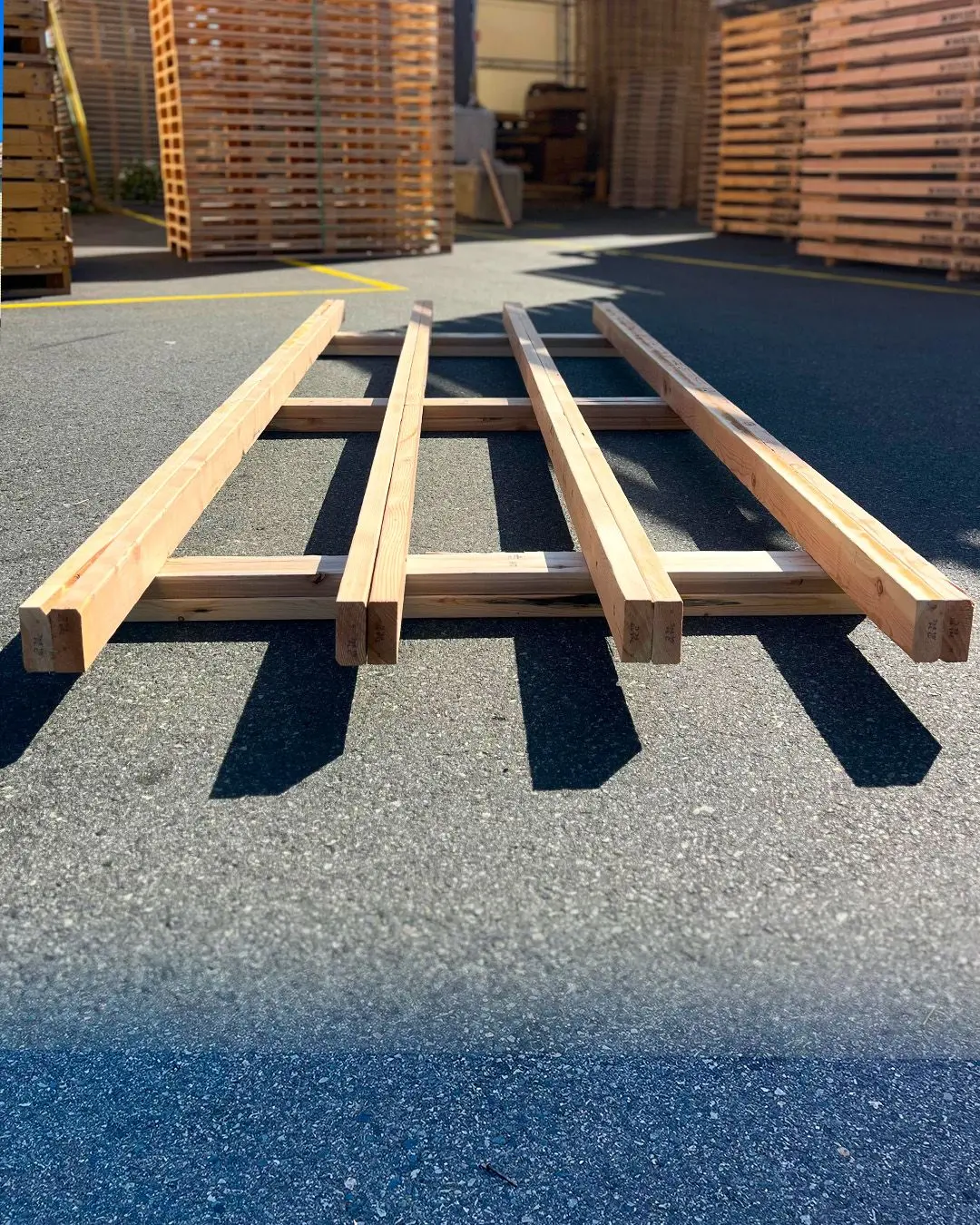
The first pallets had stringers and boards that formed a solid base with space underneath for forklift prongs. By 1925, builders added bottom planks, which made stacking and moving goods easier. Soon, pallets became essential for warehouses around the world.
World War II and Standardization
Wooden pallets became even more popular during World War II. Mass production and the need for efficiency drove demand. During this time, allied countries agreed on a standard pallet size of 48 by 48 inches to simplify global shipping. This made transport smoother and allowed large-scale pallet production. These standardized pallets played a key role in moving heavy supplies and equipment during the war.
After the war, wooden pallets became a staple in the business world. The invention of the first narrow aisle electric reach truck further transformed warehouse operations, making it easier to navigate tight spaces and improve efficiency. In 1968, the GPMC pallet was developed when several major Canadian grocery companies came together to establish a standard pallet design. This pallet has since become the most widely used in the industries .
Wooden Pallets in the Modern Era
Today, wooden pallets remain indispensable in the shipping and logistics industries. Companies around the world use them daily to transport goods of every kind—from groceries and electronics to industrial materials. While pallet materials and designs continue to evolve, their fundamental purpose remains unchanged: to make global trade smoother, safer, and more efficient.
Wooden pallets have not only revolutionized warehouse management but have also contributed immensely to the expansion of the global economy—often without receiving the recognition they deserve.
If you’re in need of high-quality pallets for your business, look no further than Geo Pallet Ltd. Our knowledgeable and friendly staff are here to help you find the perfect pallets to meet your specific needs.