Lately, it feels like everyone is trying to sell you on fancy plastic pallets or high-tech block designs. But let’s be real for a minute. For a lot of us in the Lower Mainland, the old school 2-way stringer is still the one doing the heavy lifting.
But here is the thing: just because it looks cheap on your invoice doesn’t mean it won’t cost you a fortune in wasted time later. There is a lot of “nitty gritty” to these things that can trip you up if you aren’t careful.
What Are 2-Way Pallets?
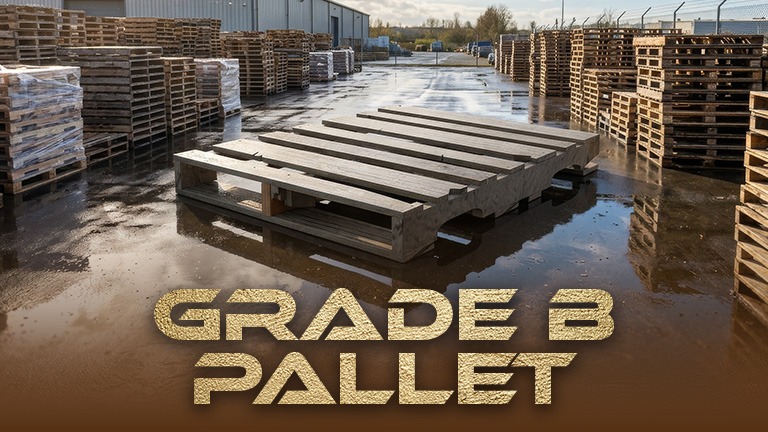
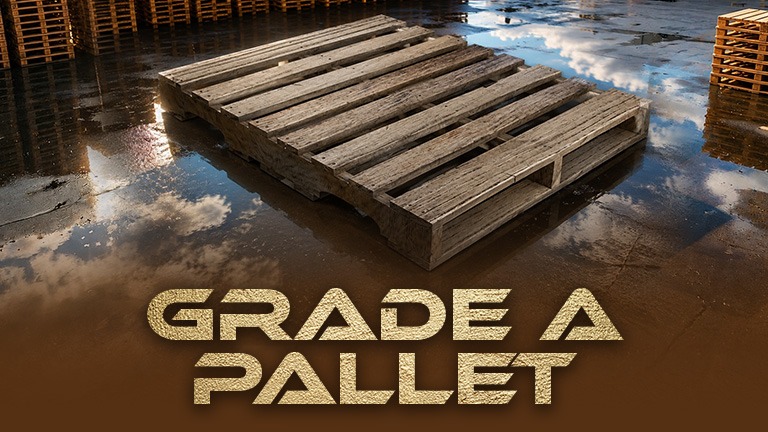
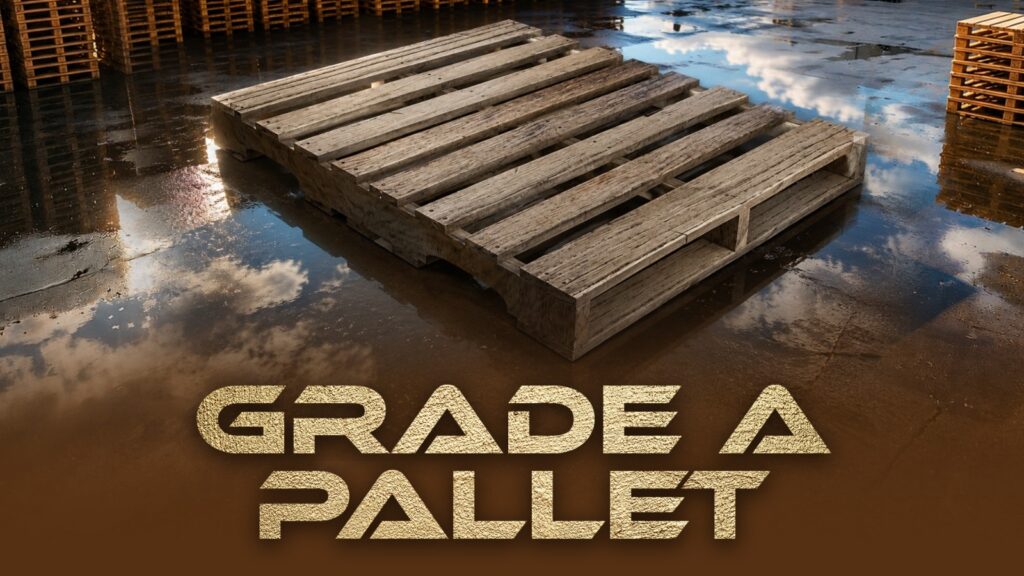
Basically, a 2-way pallet is the “basic” model. It has two solid wood beams, we call them stringers running down the sides. Since those beams don’t have any cutouts or notches, a forklift or jack can only get in from the front or the back. They are one of the most commonly used options for businesses looking for a reliable pallet supply service in British Columbia.
Yeah, it sounds like a pain to have to line up perfectly every time, but that solid wood is exactly why these pallets are absolute tanks.
Common Problems With 2-Way Pallets
Most buyers grab these because the upfront price is low. But if you talk to any warehouse manager on the floor, they will tell you about the hidden headaches:
- The “Alignment” Shuffle: If your aisles are tight, your drivers must be perfect. They will end up spinning pallets around just to pick them up. That’s extra time, and extra time is just extra payroll.
- Truck Tetris: In a shipping container, every inch is gold. Since you can’t load these from the side, you are stuck with one pattern. If that pattern leaves gaps, you are basically paying to ship air across the border.
- The Pallet Jack Battle: This is the big one. Most standard pallet jacks absolutely hate 2-way designs. If the bottom boards aren’t angled just right, your team is going to be fighting with them all day just to get the wheels over the wood.
Why Businesses Still Use 2-Way Pallets
Even with the steering issues, there is a reason we sell so many of these.
Brute Strength. Since there are no notches cut out, there are no weak spots. If you are moving bricks, steel, or heavy machinery, these are your best bet. A 4-way pallet might snap under that kind of pressure, but a solid 2-way won’t even flinch.
Our Take
If you are moving heavy-duty loads and you have plenty of space to turn a forklift around, stick with the 2-way. It’s the cheapest way to move a ton of weight without worrying about the pallet splintering. For specialized warehouse setups, custom pallets can also be a good fit.”
But if your crew is constantly “pinwheeling” pallets or struggling in tight spaces, the few bucks you save on the pallet will be lost in labour costs within a week.
Not sure if your warehouse can handle a 2-way?
Give us a shout. We can look at your specs and tell you if you’re better off with a 4-way or if the “old school” way is still the right play for your floor.